Children held in county juvenile halls and probation camps depend entirely on the adults who lock the doors. When probation officers, counselors, teachers, or medical staff sexually abuse a detained child, the county that ran the facility is responsible for the supervision, hiring, and reporting failures that let it happen.
Where abuse happens
We represent survivors of abuse in county juvenile halls and probation camps across California, including facilities in Los Angeles, San Diego, Riverside, San Bernardino, and Orange Counties, and in the former state Division of Juvenile Justice facilities that closed in 2023. Abuse occurs in cells, in showers and changing areas, on transport, in “one-on-one” counseling sessions, and in camps far from any outside oversight.
Why detained youth are targeted
- Staff control every part of a child’s day, including privileges, discipline, and release recommendations.
- Complaints go to the same institution that employs the abuser.
- Many detained children have no parent visiting regularly, and some have no one at all.
- Records that would show a pattern, such as grievances and incident reports, are kept by the county.
Who is responsible
Under California’s Government Claims Act, a county is liable for the negligent acts of its employees within the scope of their work (Gov. Code § 815.2), and for failing to carry out mandatory duties imposed by statute and regulation (Gov. Code § 815.6). In juvenile facilities those duties include supervision ratios, staff screening, grievance handling, cross-gender supervision rules, and mandated reporting under CANRA. Probation supervisors and administrators who ignored complaints, moved accused staff between facilities, or failed to investigate can be named individually.
Facility pages
We have gathered the public record on the facilities survivors most often ask about:
- Los Angeles County: Los Padrinos Juvenile Hall, Barry J. Nidorf Juvenile Hall, Central Juvenile Hall, MacLaren Hall
- San Diego County: East Mesa Juvenile Detention Facility, Kearny Mesa Juvenile Hall and the Youth Transition Campus
- Riverside County: Indio Juvenile Hall, Southwest Juvenile Hall, Alan M. Crogan Youth Treatment and Education Center
- San Bernardino County: Central Valley Juvenile Detention and Assessment Center, High Desert Juvenile Detention and Assessment Center
If the facility where you were held is not listed, the same rules apply.
Deadlines
The same rules that apply to school abuse apply here. For abuse before 2024, a survivor may file until age 40 or within five years of discovery (three years starting January 1, 2027, under SB 577); for abuse on or after January 1, 2024, there is no deadline. No six-month government claim is required for childhood sexual abuse claims (Gov. Code § 905(m)). More on deadlines.
Our experience
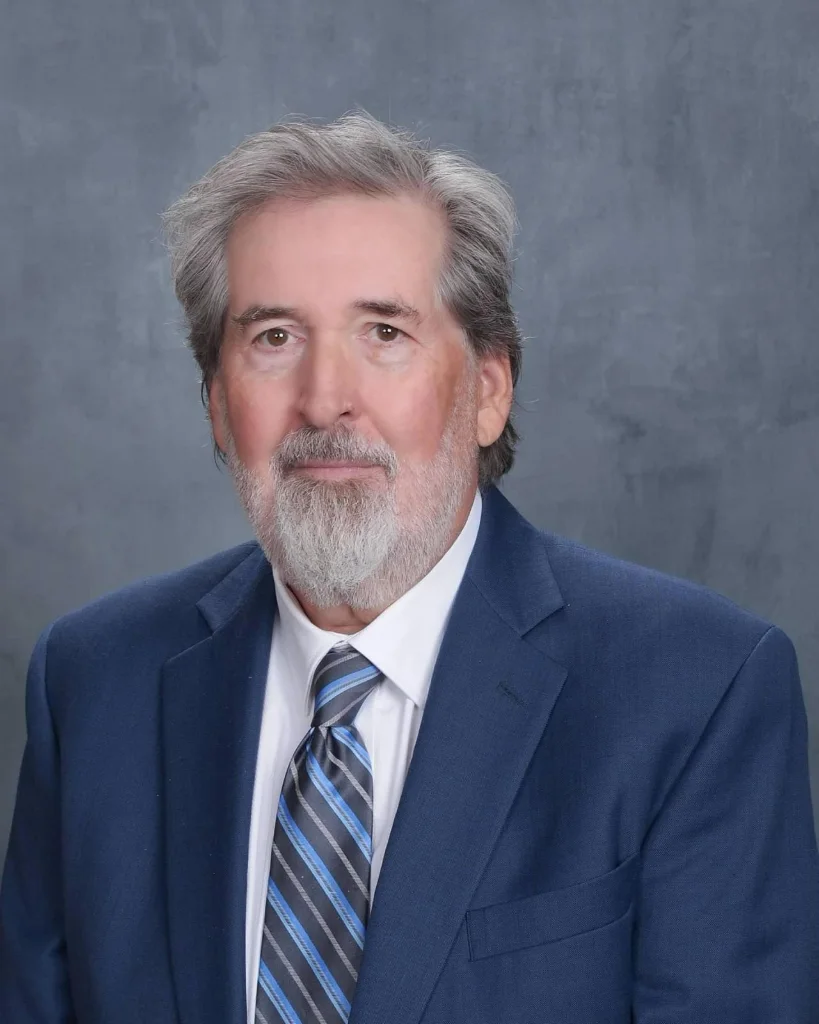
Of-counsel attorney Guinness Costello represents survivors of abuse in California juvenile facilities in coordinated proceedings and has served in court-appointed leadership roles in institutional-abuse litigation. Cases against counties are handled jointly with him, with the resources those proceedings require.
Confidentiality
Many survivors of juvenile detention have criminal records, ongoing cases, or family situations that make privacy essential. Claims are filed under a Doe name, and we discuss with you, before anything is filed, exactly what will and will not become part of the court record.
Talk privately with an attorney
We answer 24 hours a day, 7 days a week. There is no cost and no obligation. Nothing is filed without your permission, and nothing you tell us leaves this office.
Talk privately with an attorney